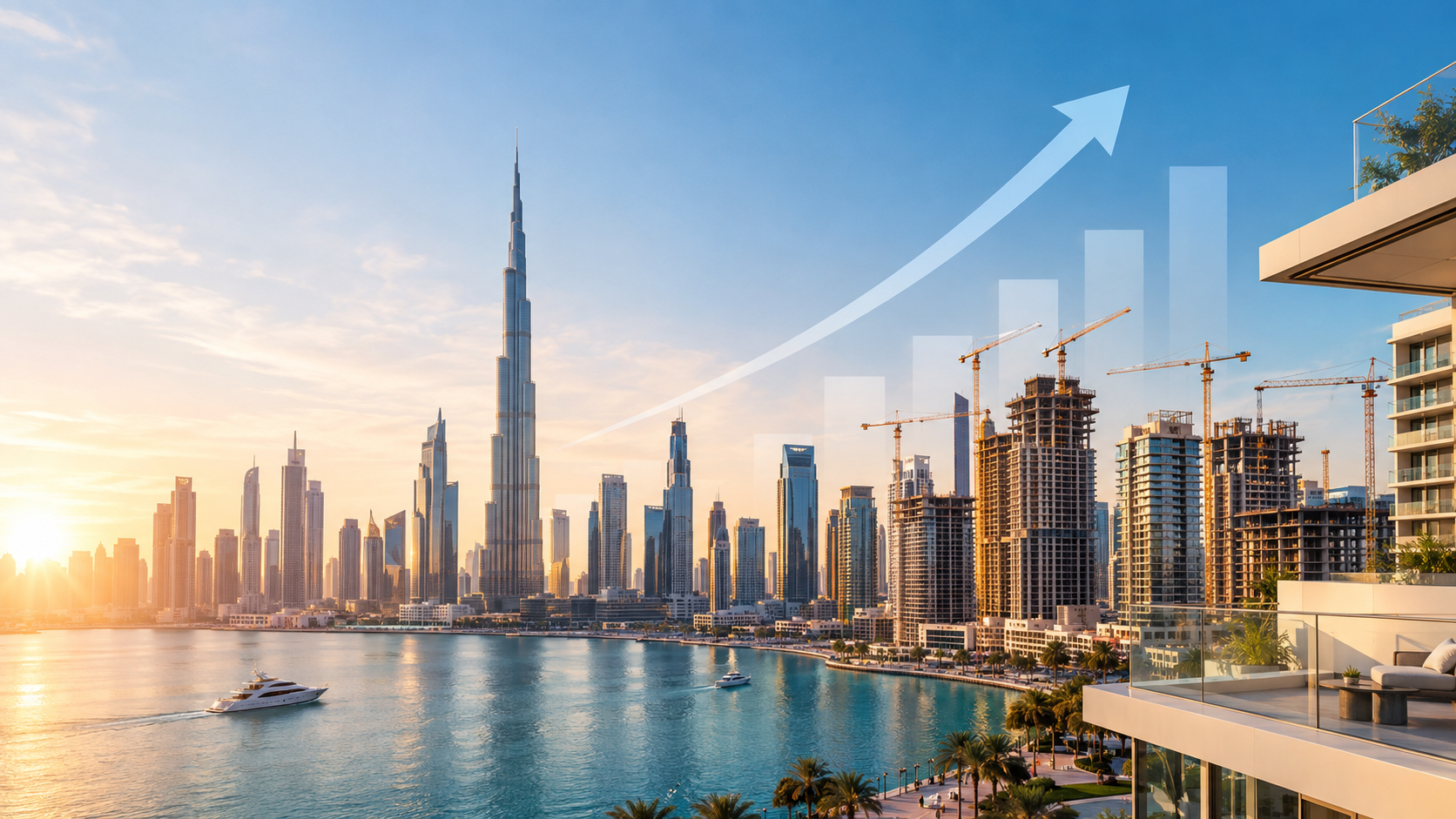
The question is no longer whether Dubai is growing. The more important question is why some of the world's most recognizable luxury brands are choosing to establish a long-term presence there.
Why Dubai Became the Next Destination
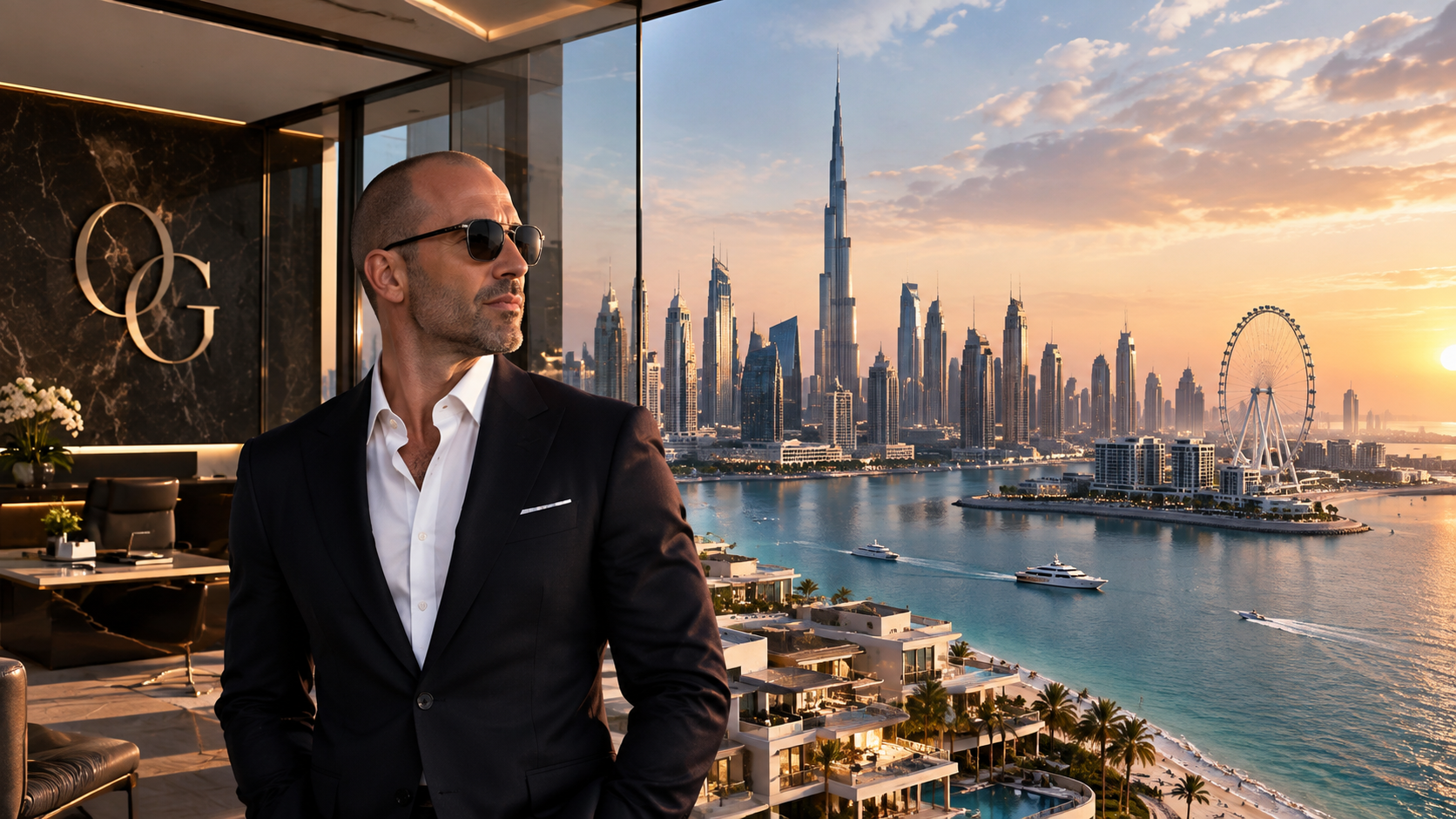
According to Jason Oppenheim, many of the firm's Southern California clients already spend considerable time in Dubai, while a growing number of Dubai-based investors are actively purchasing property in Los Angeles. That overlap reflects how today's luxury buyers no longer think in terms of a single city or country. Instead, they build international portfolios that combine lifestyle, business, and investment opportunities across multiple global destinations. Dubai has become one of those destinations because it offers something increasingly valuable to international investors: a globally connected business environment, world-class infrastructure, and a luxury property market that continues attracting buyers from every continent. The company's new office will occupy approximately 7,000 square feet in Bluewaters Dubai following a multimillion-dollar investment. It has already launched with 20 agents and plans to expand to around 40 experienced advisors while maintaining its boutique approach to luxury real estate.
More Than One Brokerage's Expansion
What makes this announcement particularly significant is that luxury brokerages rarely enter new markets without strong confidence in long-term demand. Opening an international office requires substantial investment, local licensing, recruitment, and operational commitments that only make sense when a market demonstrates lasting growth rather than short-term momentum. The Oppenheim Group's decision reinforces a broader trend that has been unfolding across Dubai over the past several years. The city is no longer attracting only property developers. It is increasingly becoming home to international wealth managers, family offices, private investment firms, and luxury service brands that view Dubai as a permanent business hub instead of a temporary opportunity.
The Globalization of Dubai's Luxury Property Market
One of the most revealing aspects of Oppenheim's announcement is his observation that many of his California clients already have meaningful connections with Dubai. That statement highlights how the world's wealthiest buyers are becoming increasingly international in their purchasing behavior. It is now common for high-net-worth individuals to own multiple properties across different countries, combining a primary residence, vacation homes, and investment assets within one global portfolio. Dubai fits naturally into this strategy because it combines international accessibility with a mature luxury property ecosystem that continues expanding through premium developments and lifestyle-focused communities. This shift also changes how luxury properties are marketed. International brokerages bring existing relationships with affluent clients who already invest across multiple markets, creating referral networks that extend far beyond local advertising.
A Stronger Future for Branded Residences
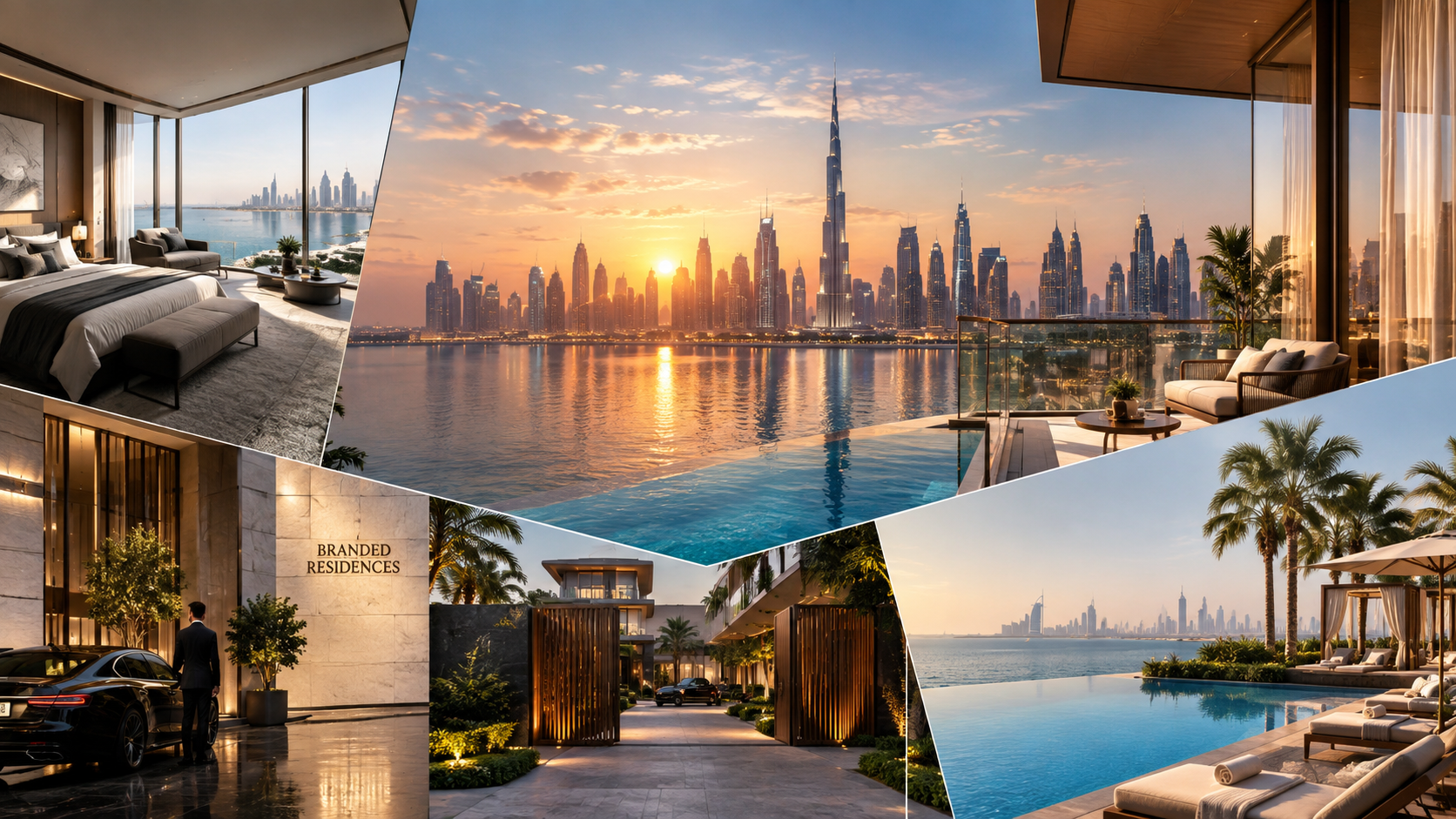
The expansion of globally recognized brokerages could have an even greater impact on Dubai's branded residence sector. Developments associated with names such as Mercedes-Benz, Bugatti, Armani, Bulgari, and other luxury hospitality brands are designed for exactly the type of international buyers that firms like The Oppenheim Group serve. These buyers are rarely focused on square footage alone. Instead, they often place greater value on global brand recognition, concierge services, premium property management, and the long-term prestige associated with internationally recognized names. As more international brokerages establish physical offices in Dubai, these branded developments gain additional exposure through global client networks that already include high-net-worth individuals actively searching for premium investment opportunities.
When Media Exposure Becomes Market Exposure
Another interesting dimension of this expansion is its potential media impact. Jason Oppenheim has suggested that Dubai's presence could eventually become part of the Selling Sunset universe or inspire future productions connected to the city. If that happens, the effect extends well beyond entertainment. Luxury real estate is increasingly influenced by digital visibility, streaming platforms, and social media, all of which shape buyer perceptions long before they contact an agent. Dubai has already strengthened its international reputation through tourism campaigns, landmark architecture, and global events. Additional exposure through one of Netflix's most recognizable real estate franchises would further reinforce the city's position as a luxury destination on the world stage.
What This Means for Investors
The arrival of The Oppenheim Group will not immediately push property prices higher overnight. However, it sends an important signal that one of the world's most recognizable luxury brokerages believes Dubai's premium property market has matured enough to support long-term international operations. That confidence aligns with broader trends already shaping the city. International buyer activity continues expanding, branded developments are attracting stronger global interest, and Dubai's connections with major wealth centers such as Los Angeles, London, and Singapore continue growing. Rather than being viewed simply as an emerging investment destination, Dubai is increasingly establishing itself as a permanent fixture within the world's luxury real estate landscape. The opening of The Oppenheim Group's Dubai office is another reminder that global capital tends to follow confidence, and today that confidence continues pointing toward Dubai.