Its latest initiative, the Emirati Dhiyafa Standards, signals that authentic hospitality is becoming part of the region's luxury proposition not as decoration, but as an operational standard across hotels and hospitality properties. For property investors, this shift matters because destinations with stronger visitor experiences often create stronger long-term real estate demand.
The New Standard That Changes the Guest Experience
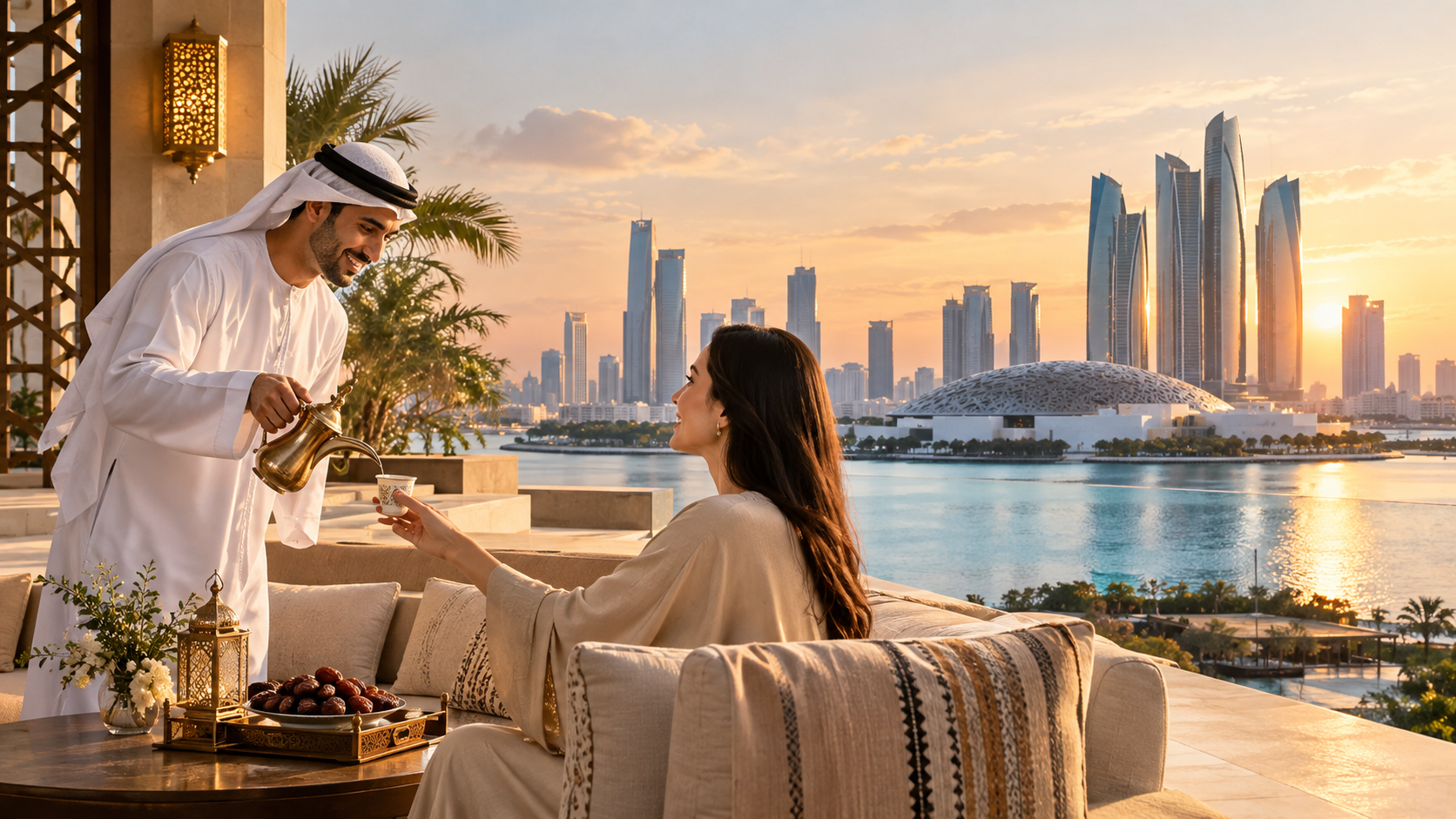
The Department of Culture and Tourism Abu Dhabi has introduced a framework containing 65 measurable hospitality standards covering eight stages of the guest journey, from pre-arrival communication to departure. Rather than asking hotels to simply display traditional artwork, the framework integrates Emirati hospitality into everyday operations. Guests may now receive pre-arrival messages introducing UAE culture, be welcomed with the traditional greeting "Marhaba AlSaa," enjoy locally sourced Emirati coffee and dates, discover traditional dishes such as harees and balaleet, and experience public spaces featuring heritage-inspired design elements. The framework also requires hospitality staff to become cultural ambassadors by understanding and explaining Emirati traditions instead of merely delivering standard customer service. This transforms culture from a marketing concept into a measurable operational asset.
Why This Matters Beyond Hotels
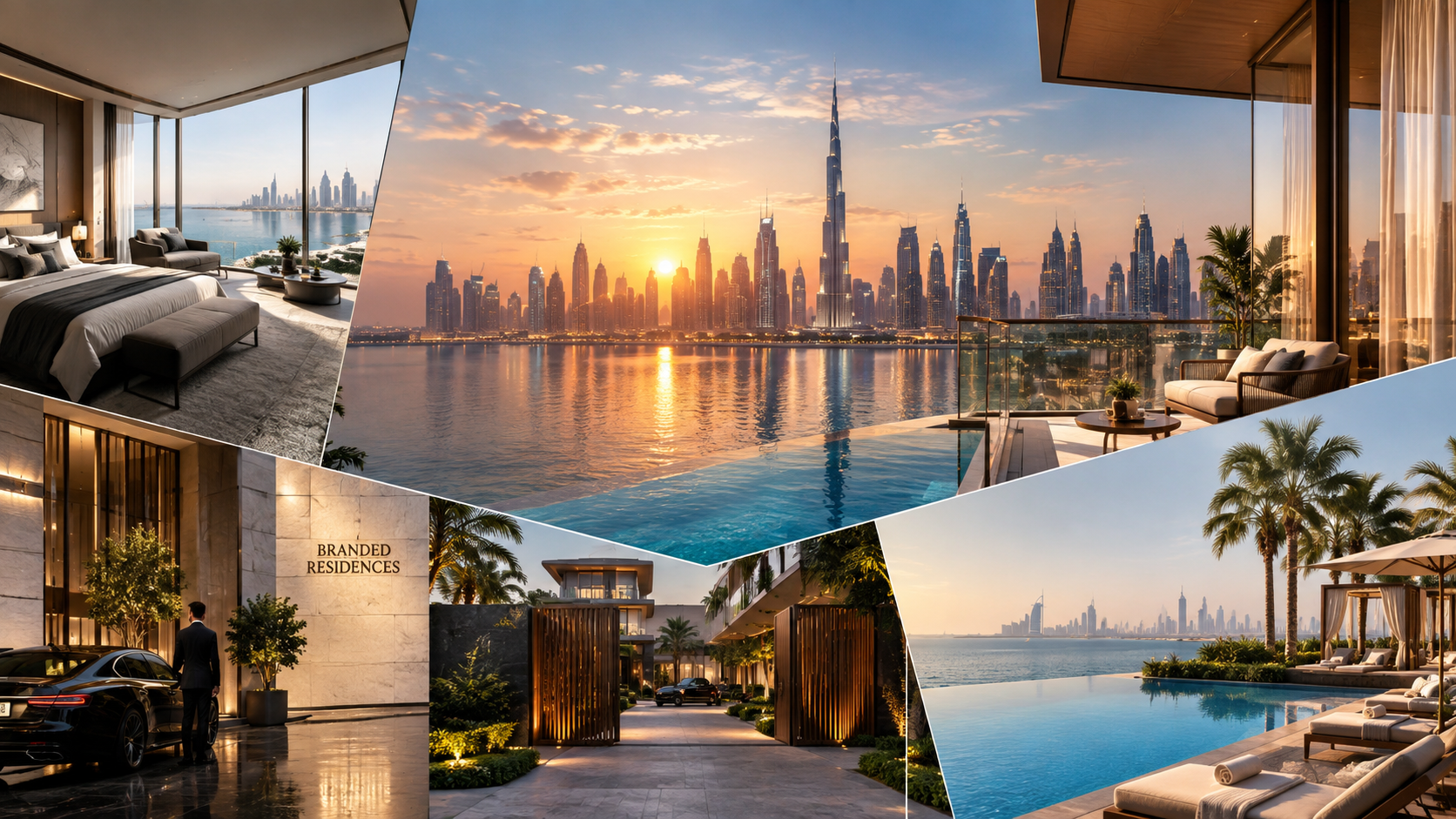
At first glance, these standards appear relevant only for hotels. In reality, they reflect a broader direction that increasingly influences branded residences, serviced apartments, and hospitality-led real estate across the UAE. Luxury buyers today often seek experiences rather than square footage alone. A residence connected to a hospitality brand benefits from professional service, stronger brand positioning, and a lifestyle that extends beyond the physical property itself. By strengthening hospitality quality across the emirate, Abu Dhabi is reinforcing the ecosystem that supports these premium residential products. This is especially significant as the UAE continues attracting high-net-worth individuals who view lifestyle quality as an essential part of investment decisions.
Tourism Strategy 2030 Is About Economic Value
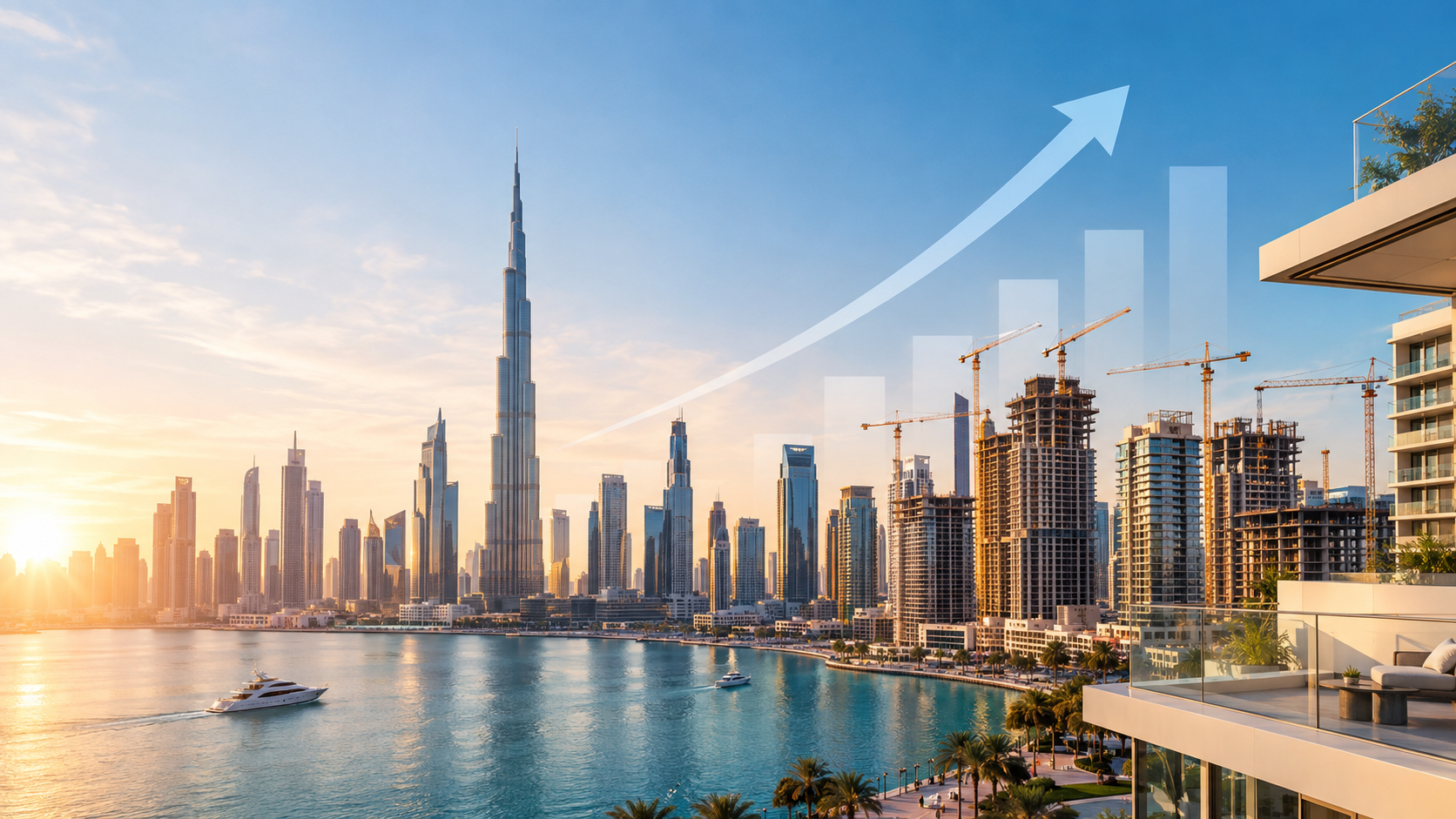
The Emirati Dhiyafa initiative is directly connected to Abu Dhabi Tourism Strategy 2030, which aims to strengthen the emirate's position as a global tourism destination through distinctive visitor experiences rooted in local heritage. The strategy recognizes that memorable experiences generate repeat visits, stronger international reputation, and higher visitor spending. Those outcomes rarely stay confined to the tourism sector. When tourism ecosystems mature, they often create additional demand for branded residences, serviced apartments, luxury second homes, and long-term investment properties In other words, hospitality becomes an economic multiplier.
A Bigger Pattern Across the UAE
The hospitality standards are not an isolated announcement. Across the UAE, government-led initiatives increasingly focus on raising quality standards through measurable frameworks rather than relying solely on market competition. Recent initiatives have introduced stronger hospitality sustainability collaboration and other quality-focused programs that encourage operators to improve operational performance over time. This broader pattern sends a consistent message to investors: The UAE is actively investing in the long-term competitiveness of its tourism and hospitality sectors.
What Property Investors Should Watch
For investors evaluating opportunities across Dubai and Abu Dhabi, the biggest takeaway isn't simply that hotels will serve better coffee. It's that governments are increasingly treating hospitality quality as infrastructure. Just as new metro lines, airports, and business districts can influence property values, stronger visitor experiences can reinforce destination appeal over time. That doesn't automatically guarantee higher returns for every property. However, projects connected to hospitality, branded residences, serviced apartments, and premium mixed-use communities may benefit from operating within a stronger experience-driven ecosystem. In global luxury markets, emotional value often becomes economic value. Abu Dhabi's newest hospitality framework demonstrates that cultural authenticity is no longer positioned as an optional enhancement. It's becoming part of the investment story itself.