While this vision is designed to improve quality of life, it also has important implications for property investors. Communities that become more connected, walkable, and self-sufficient often experience stronger long-term demand, making them increasingly attractive for both homeowners and tenants. For investors looking beyond today's prices, understanding Dubai's 20-Minute City vision could help identify tomorrow's high-potential locations.
What Is Dubai's 20-Minute City Vision?
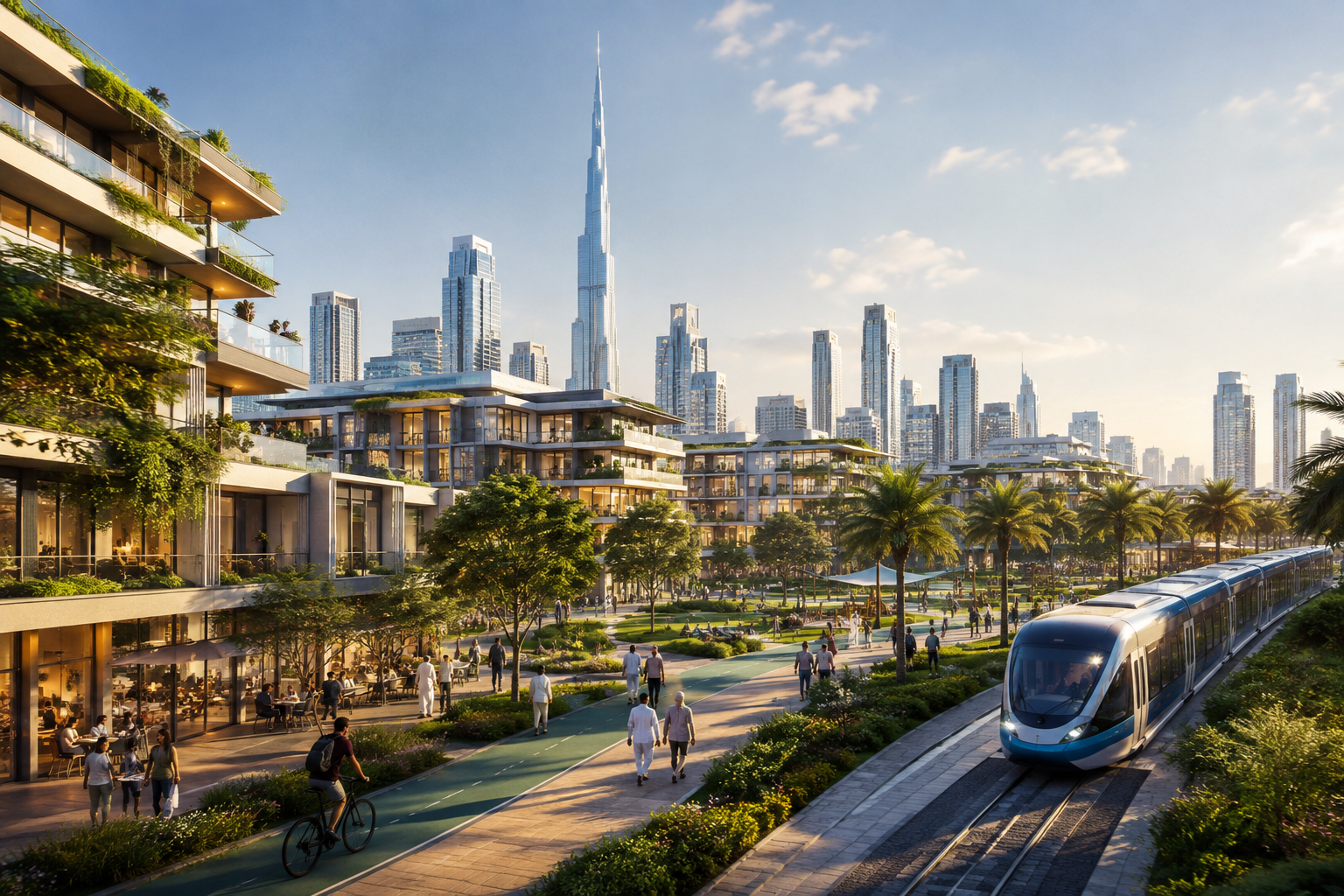
Dubai's long-term urban planning strategy focuses on reducing travel times by developing mixed-use communities where daily essentials are located closer together. Rather than relying solely on long commutes, residents are expected to have easier access to workplaces, schools, parks, retail centers, and public transport within roughly a 20-minute journey. The concept builds on several ongoing initiatives, including: Expansion of Dubai Metro and future rail projects. New cycling and pedestrian networks. Mixed-use developments combining residential, retail, office, and leisure spaces. Growth of community-focused neighborhoods rather than isolated residential districts. Instead of expanding outward without connectivity, Dubai is increasingly prioritizing integrated communities that encourage everyday convenience.
Why It Matters for Property Investors
Real estate value isn't driven by buildings alone it's heavily influenced by accessibility. As transportation improves and essential services become easier to reach, several investment advantages can emerge.
Higher Tenant Demand
Modern renters increasingly prioritize convenience. Living near workplaces, schools, restaurants, and public transport can reduce commuting time and improve daily life. Properties in well-connected neighborhoods often appeal to: Young professionals Families Digital entrepreneurs International expatriates A larger tenant pool can contribute to stronger occupancy over time.
Stronger Long-Term Capital Growth
History shows that infrastructure improvements often reshape property markets. New metro stations, improved road connections, and mixed-use developments can increase an area's desirability as more people choose to live nearby. While future price performance always depends on market conditions, accessibility remains one of the key factors investors monitor when evaluating long-term potential.
More Resilient Communities
Neighborhoods that combine housing, offices, retail, parks, and entertainment tend to create more balanced ecosystems. Instead of relying on a single demand driver, these communities attract different types of residents throughout the year.
The Areas Leading the Shift
Several districts already reflect many principles behind Dubai's connected-community approach. Dubai Creek Harbour : A master-planned waterfront district designed around walkability, public spaces, retail, and future transport connectivity. Expo City Dubai : Originally built for Expo 2020, the district is evolving into a mixed-use business and residential hub focused on sustainability and innovation. Dubai South : Supported by the expansion of Al Maktoum International Airport, Dubai South is developing as a community where residential, commercial, logistics, and leisure facilities are planned together. Jumeirah Village Circle : Already popular among renters, JVC continues to benefit from growing retail offerings, schools, parks, and improved road accessibility. These locations illustrate how connectivity, amenities, and integrated planning can become important considerations for long-term investors.
Which Properties Could Benefit Most?
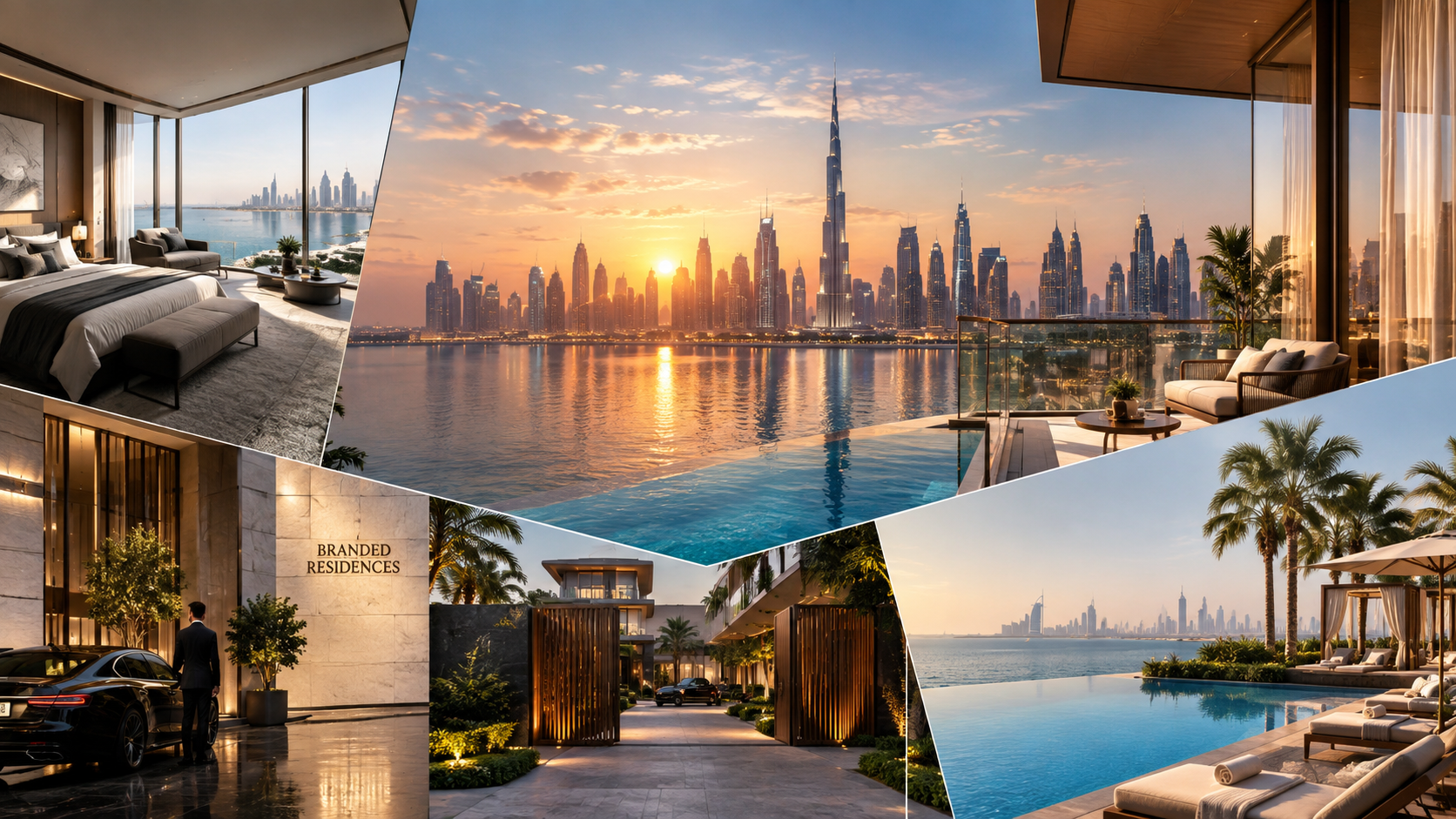
Not every property benefits equally from changing urban planning. The strongest opportunities may include: Apartments within walking distance of metro stations. Mixed-use developments with retail and office access. Family communities near schools and parks. Branded residences integrated into lifestyle districts. Properties inside emerging master-planned communities. These types of assets align with changing lifestyle preferences, particularly among younger professionals and international residents who increasingly value convenience alongside luxury.
What Investors Should Watch Next
Dubai's urban planning continues to evolve through transportation projects, new community launches, and infrastructure investments. Rather than focusing only on today's hottest neighborhoods, investors may benefit from monitoring areas where future connectivity is improving. Questions worth asking include: Is new public transport planned nearby? Are schools, retail, and healthcare expanding? Is the community becoming more walkable? Will new infrastructure increase everyday convenience? These factors can become increasingly relevant as Dubai moves toward more integrated urban living.
Key takeaways
- 1Dubai's 20-Minute City vision is about more than shorter commutes it's about creating connected communities where daily life becomes easier and more efficient.
- 2
- 3For property investors, this shift highlights the importance of accessibility, mixed-use development, and long-term infrastructure planning when evaluating future opportunities.
- 4
- 5As Dubai continues investing in transportation and community-focused neighborhoods, properties located in well-connected districts may be better positioned to attract both residents and investors seeking sustainable long-term value.