A Vision That Extends Beyond Market Cycles
One of Dubai's greatest strengths is its commitment to long-term planning. Initiatives such as the Dubai Economic Agenda D33 and the Dubai Real Estate Strategy 2033 demonstrate that the city's growth is driven by more than new developments—they focus on strengthening the entire real estate ecosystem. These strategies emphasize market transparency, technological innovation, stronger governance, and sustainable urban development. For international investors, this creates confidence that extends beyond short-term price movements.
Building Confidence Through Transparency
Transparency plays a critical role in attracting international capital, and Dubai has continued to improve its investment environment through digital transformation. The Dubai Land Department (DLD) has expanded digital services, streamlined property registration, and improved access to market data. Dubai has also been recognized in the Global Real Estate Transparency Index, reflecting continued progress in regulatory standards and governance. These improvements help create a clearer investment journey from property selection to final ownership.
Technology Is Reshaping the Investment Experience
Dubai's digital transformation extends beyond government services. Technology is becoming an integral part of how investors interact with the property market. The DLD has introduced AI-powered initiatives to improve project registration, document processing, and investor services. At the same time, developments such as the Dubai PropTech Hub highlight the city's ambition to position itself as a global center for real estate innovation. For international buyers, these advancements reduce administrative friction and make cross-border investment more efficient.
Infrastructure That Supports Future Demand
Infrastructure remains one of the strongest foundations of Dubai's long-term growth story. Major projects including the expansion of transport networks, new urban districts, and continued investment in logistics—help strengthen connectivity across the city. These developments support both residential demand and Dubai's broader ambition to remain a leading global business hub. Rather than developing isolated projects, Dubai continues to integrate real estate growth with wider economic development.
International Capital Continues to Flow
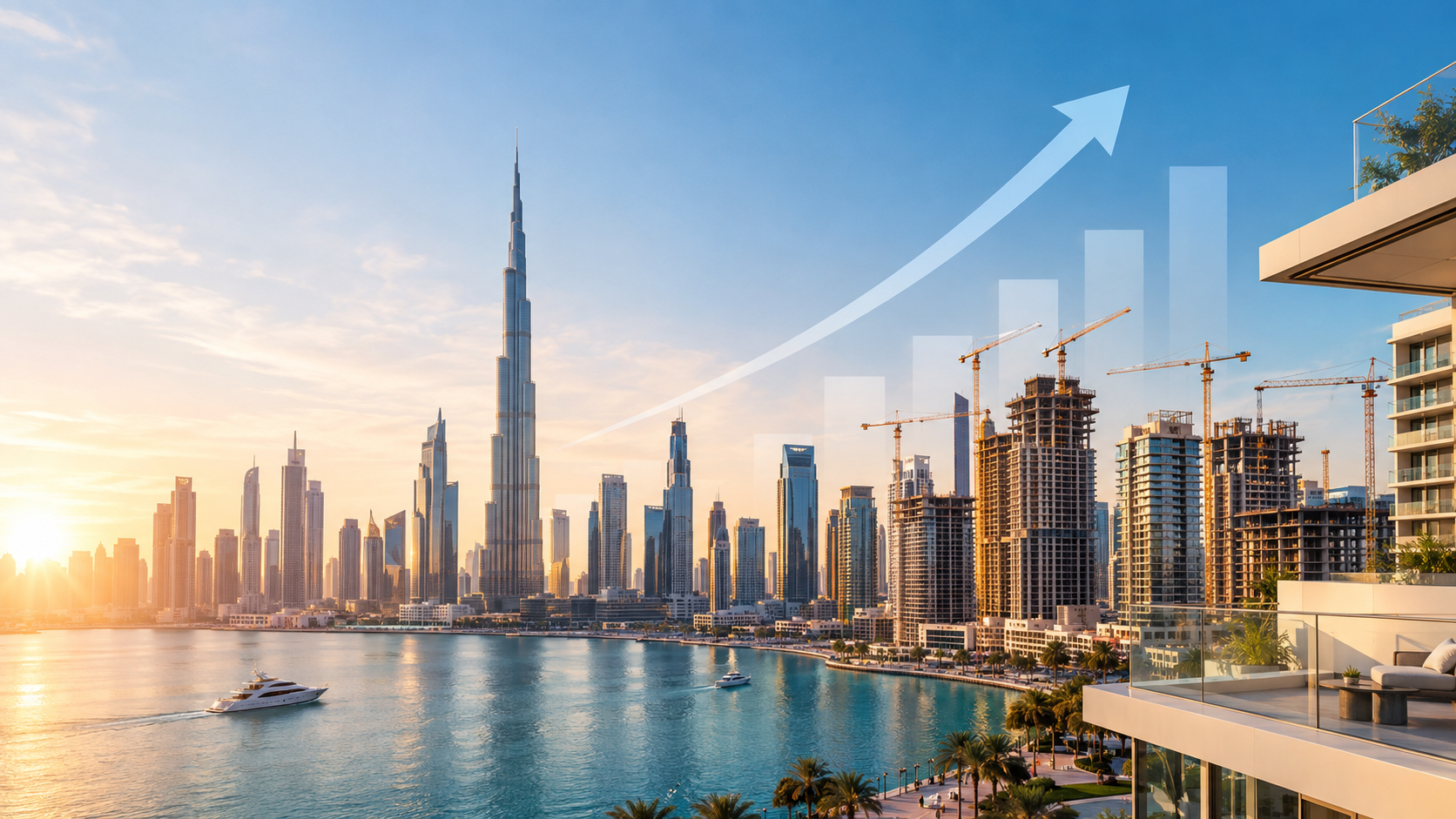
Investor confidence is also reflected in market activity. During the first quarter of 2026, Dubai recorded approximately AED 252 billion in property transactions, representing a 31% increase compared with the same period a year earlier. Foreign investment also rose by around 26%, reinforcing the continued participation of international buyers in the market. While global markets continue to face economic uncertainty, these figures suggest that Dubai remains capable of attracting international capital through a combination of policy consistency, infrastructure investment, and a long-term vision.
Dubai's ability to attract international investors is not built on a single advantage. It is the result of multiple factors working together—forward-looking government strategies, digital transformation, infrastructure investment, and a regulatory framework designed to strengthen investor confidence. For those viewing real estate as a long-term asset, these foundations help explain why Dubai continues to stand out as one of the world's most closely watched investment destinations.