Why Dubai's Economy No Longer Depends on Oil
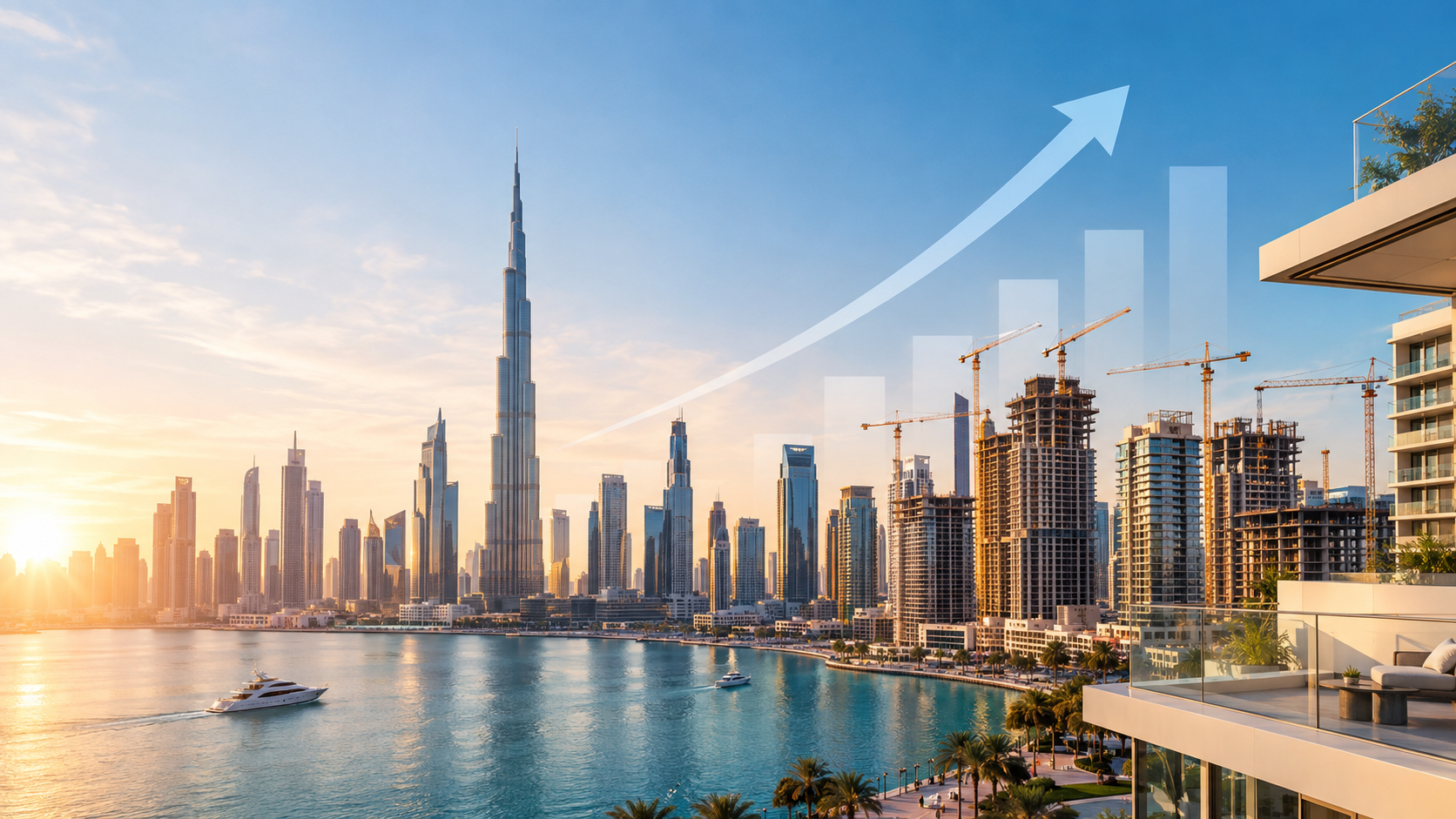
Unlike many people assume, oil contributes only a relatively small share of Dubai's economy today. Over the past decades, the emirate has deliberately expanded sectors that attract international businesses, talent, and investment. Today, some of Dubai's largest economic drivers include: International trade through Jebel Ali Port. Financial services centered around Dubai International Financial Centre (DIFC). Tourism and hospitality. Aviation led by Emirates Airline and Dubai International Airport. Technology, AI, and digital innovation.
The D33 Agenda: A Long-Term Growth Strategy
One of the biggest signals for investors is the Dubai Economic Agenda D33, a government strategy designed to double the city's economy by 2033 and strengthen its position as one of the world's leading business hubs. Rather than focusing only on GDP growth, the plan aims to attract global companies, entrepreneurs, skilled professionals, and digital businesses. As more businesses establish operations in Dubai, the demand for offices, rental homes, and premium residences naturally expands.
Trade and Logistics Continue Supporting Property Demand
Dubai's location between Europe, Asia, and Africa has made it one of the world's most important logistics gateways. Jebel Ali Port remains among the busiest ports globally, connecting businesses to international markets. At the same time, the city's airports continue bringing millions of travelers and business visitors every year. This constant flow of companies and professionals creates long-term housing demand across different segments—from executive apartments to luxury waterfront residences.
Tourism Keeps Strengthening the Real Estate Market
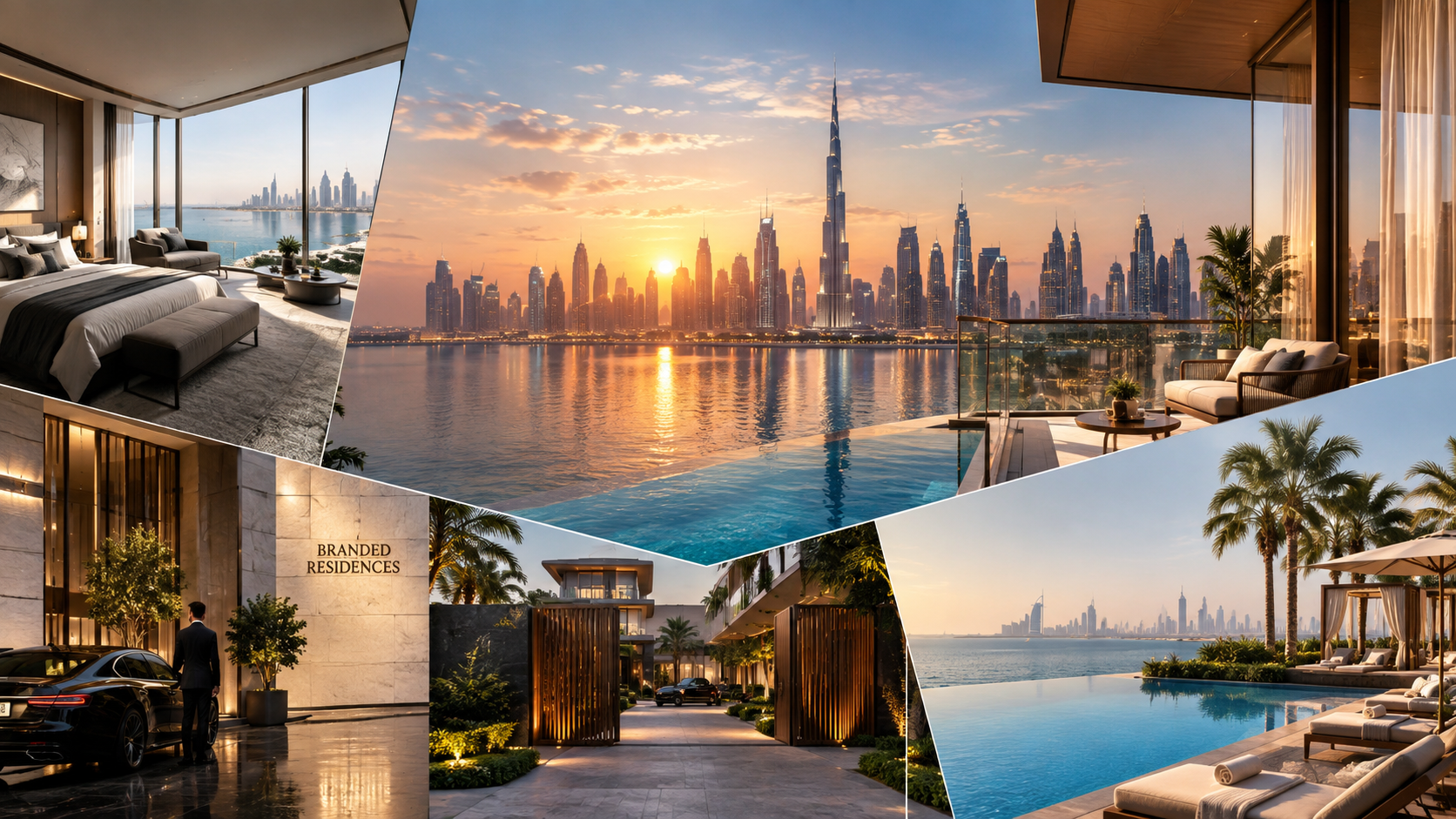
Tourism is another pillar that extends beyond hotel occupancy. Visitors who experience Dubai often become repeat travelers, business owners, or property buyers. This helps support several parts of the market simultaneously: Luxury residences. Hotel-managed apartments. Short-term rental properties. Branded residences. The connection between tourism and property ownership has become increasingly important as Dubai continues attracting international visitors from multiple regions.
Why Global Investors Continue Choosing Dubai
Dubai's appeal extends beyond luxury architecture. Several structural advantages continue attracting international capital: Freehold ownership in designated areas for foreign buyers. No annual property tax on residential ownership. No personal capital gains tax. A business-friendly regulatory environment. Digital government services that simplify property transactions. These factors, combined with ongoing infrastructure investment and economic diversification, make Dubai a market that many international investors continue monitoring closely.
What This Means for Property Investors
The biggest takeaway is that Dubai's property market is supported by multiple economic engines rather than a single industry. Trade brings businesses. Tourism brings visitors. Finance attracts global companies. Technology creates new jobs. Together, these sectors generate ongoing demand for residential and commercial real estate. For investors looking beyond short-term headlines, understanding Dubai's broader economic transformation helps explain why the city continues attracting global capital and why real estate remains part of that long-term growth story.