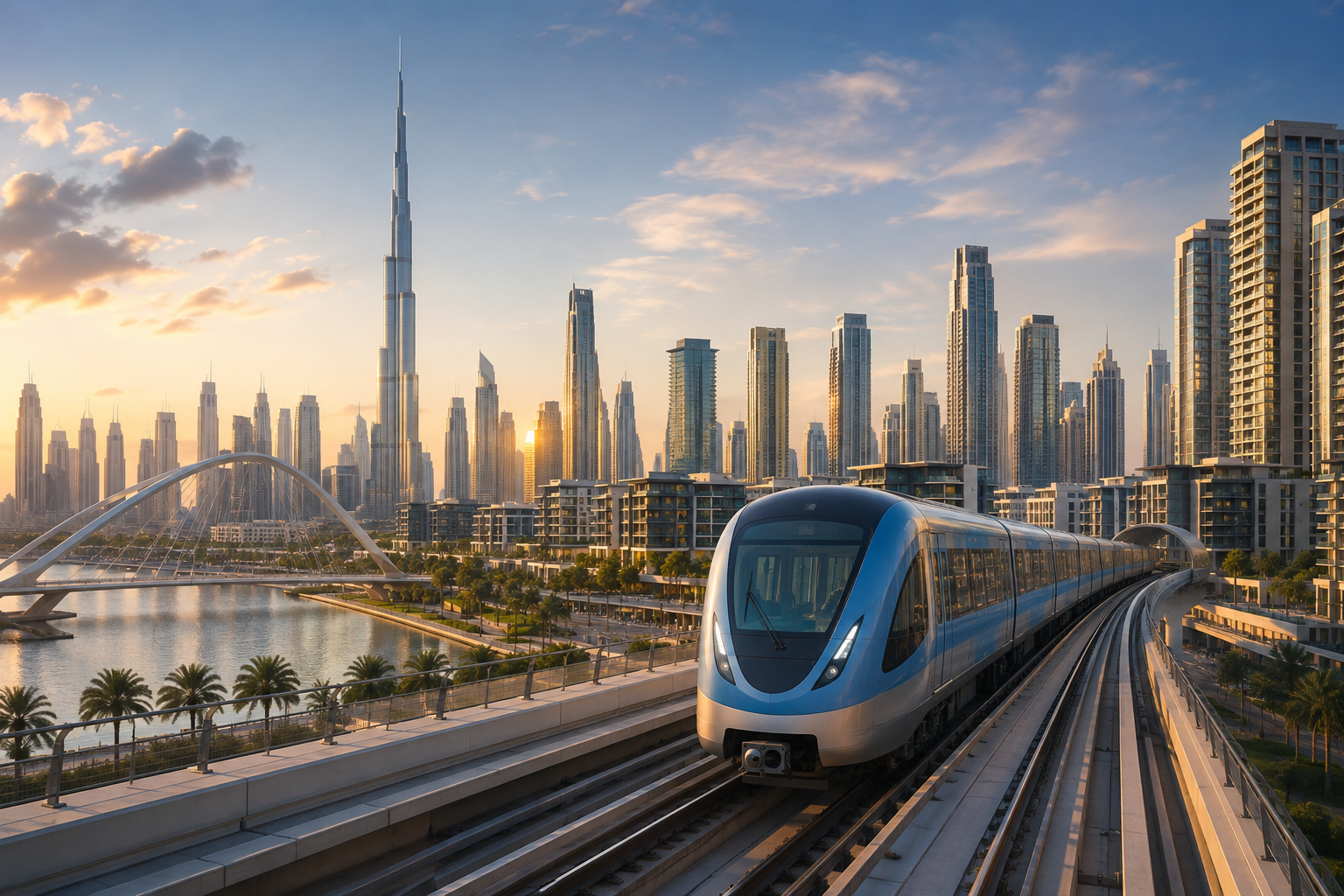
Scheduled to open on 9 September 2029, the Blue Line will stretch approximately 30 kilometers, add 14 new stations, and connect several fast-growing communities across eastern and northeastern Dubai. More importantly, it will integrate with both the existing Red Line and Green Line, improving accessibility for residents, professionals, students, and tourists.
Why Infrastructure Matters for Property Investors
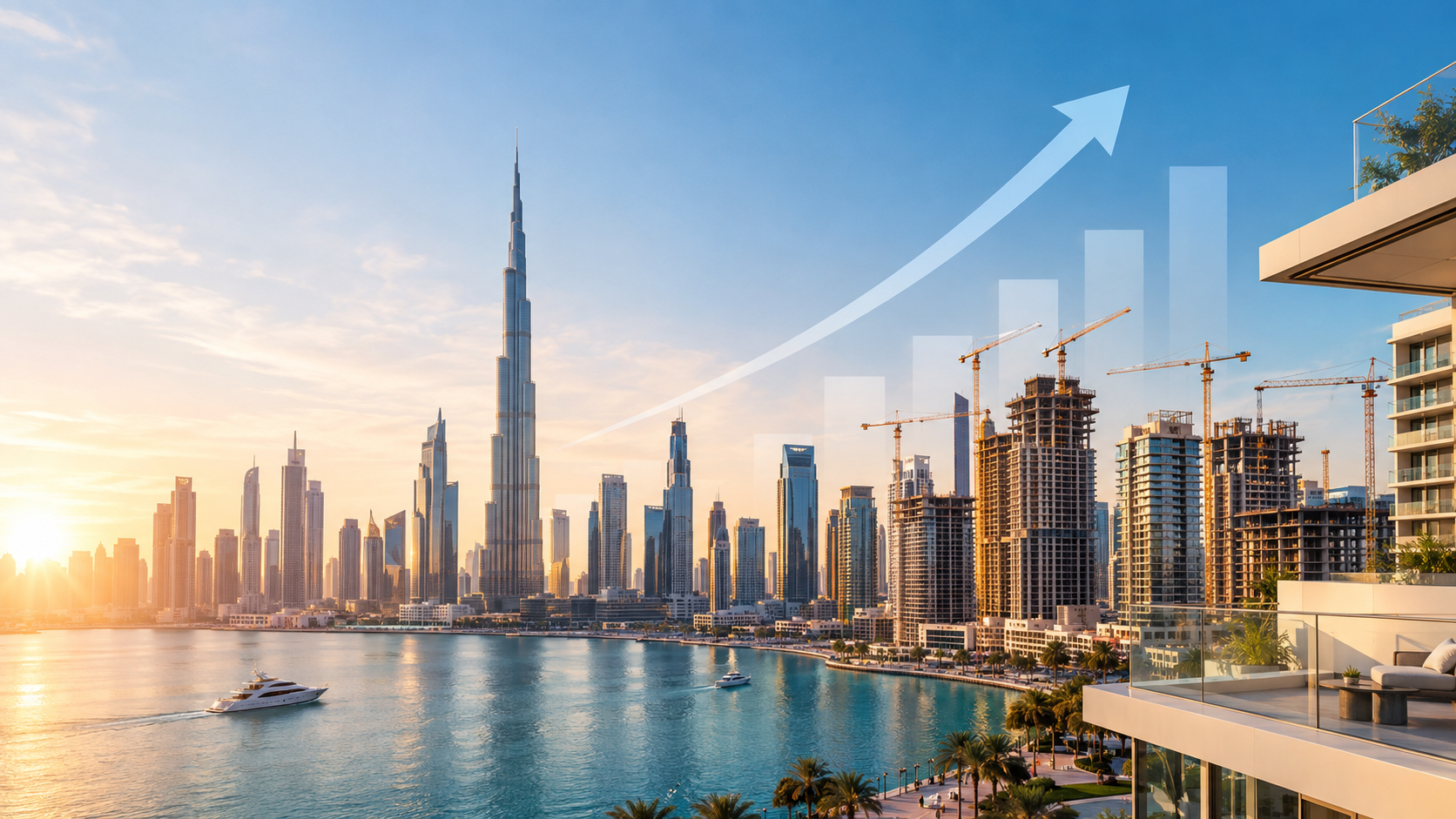
Transport infrastructure often changes how people choose where to live. Better connectivity can increase rental demand, shorten commuting times, and make previously overlooked neighborhoods more attractive to both end-users and investors. The Roads and Transport Authority (RTA) has indicated that properties near Blue Line stations could see value growth as accessibility improves, although the impact will vary depending on each community, building quality, and station proximity.
Areas Expected to Benefit the Most
1. The Premium Waterfront Play
If there's one standout location along the Blue Line, it's Dubai Creek Harbour. The new Emaar Properties Station is expected to become the world's tallest metro station at 74 meters, designed by the same architectural firm behind the . This station will connect one of Dubai's flagship waterfront communities directly to the wider metro network. Why investors are watching it: - Premium waterfront lifestyle. - Faster access to central Dubai. - Strong appeal for both long-term residents and international buyers. This area is particularly attractive for investors seeking capital appreciation alongside lifestyle-driven demand.
2. Lifestyle Meets Connectivity
Already known for its waterfront setting, hotels, shopping destinations, and office spaces, Dubai Festival City is expected to become even more accessible once the Blue Line begins operating. Potential advantages include: - Better commuter access. - Increased appeal for professionals. - Stronger rental demand from residents who value convenience.
3. The Emerging Transformation Zone
Historically associated with industrial activity, Ras Al Khor is gradually becoming part of Dubai's broader urban expansion. The Blue Line will improve access to this corridor while connecting nearby residential and commercial developments. Investors considering this area should focus on: - Future mixed-use developments. - Proximity to metro access. - Long-term regeneration potential.
4. The Affordable Growth Opportunity
Among all Blue Line communities, International City could experience one of the biggest accessibility upgrades. The area will receive multiple stations, including International City 1, which will serve as a major interchange within the Blue Line network. Why this matters: - Affordable entry prices. - Larger tenant pool. - Improved daily commuting. For investors focused on rental income, this area deserves close attention.
5. The Technology Hub
As Dubai continues positioning itself as a global technology and innovation center, Dubai Silicon Oasis stands to benefit from better public transport connections. Key demand drivers include: - Technology companies. - Young professionals. - Startup ecosystem. - University communities nearby. This combination creates a solid foundation for long-term rental demand.
6. Student Rental Potential
As the Blue Line's western branch extends toward Academic City, thousands of students and education professionals will gain easier access to other parts of Dubai. This could strengthen demand for: - Studio apartments. - One-bedroom units. - Affordable rental properties.
A Smarter Way to Evaluate Blue Line Investments
While metro access is a positive catalyst, it shouldn't be the only reason to buy. Before investing, consider: - Walking distance to the station. - Developer reputation. - Building quality. - Future supply in the area. - Service charges. - Existing rental demand. A well-located property near a future station can become even more attractive but only when the underlying investment fundamentals already make sense.